Chemical Test Refusal Q+A
Pennsylvania’s “implied consent law” found at 75 Pa.C.S. 1547 and allows a police officer to require that adriver submit to a blood or breath test if the officer has “reasonable grounds” to suspect that the driver is:
- Driving Under the Influence
- driving on a DUI-suspended license and may have a alcohol or drug in their body
- driving with a restricted license but not in an interlock eqiupped vehicle and the person has consumed alcohol
Difference in Breath Testing Devices
It must be emphasized that there is a difference between a Portable Breath Test (PBT) and a breathalyzer test. A PBT is a preliminary or initial screening test that is used as part of the initial DUI investigation at the scene, so before a driver is arrested. The testing device is portable, meaning it is a small, hand held device. A driver is NOT 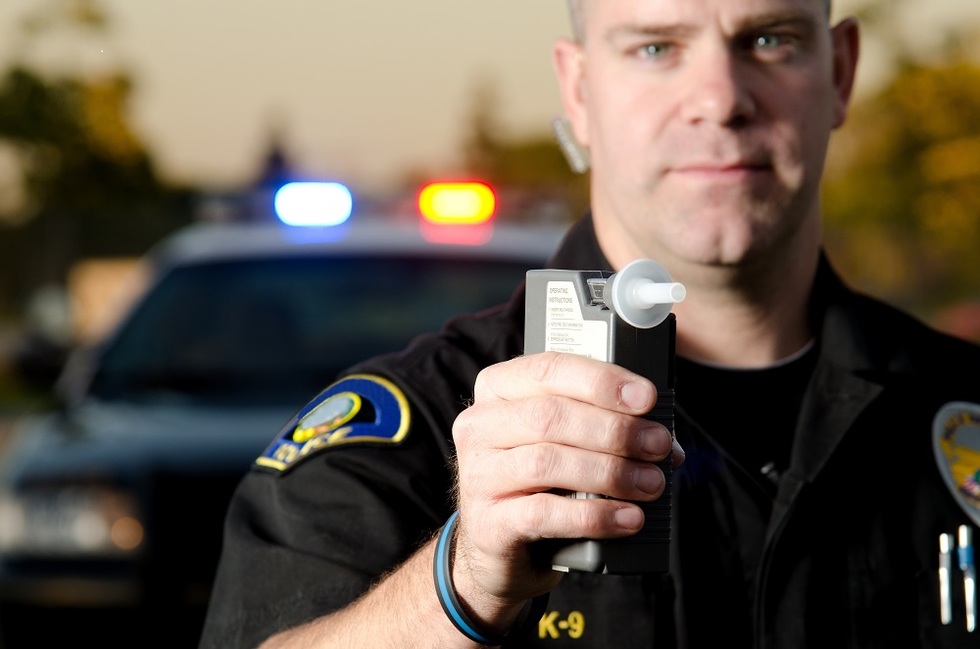 required to submit to a PBT. Refusing to submit to a PBT does not result in a license supsension. The actual reading from a PBT is NOT admissible in court. The only can only testify that the result of the PBT was that it was positive for the presence of alcohol.
In order to determine the actual blood alcohol level that is admissible in court and used for charging purposes, the officer conducts an arrest and may then request that the driver submit to a blood or breath test. Most areas use blood tests, but some areas do use breath tests. These breath tests are conducted on breathalyzers that are often found at the police department. A refusal this breath test does result in a license supsension and may allow a prosecutor to seek increased penalties in the future on a DUI charge.
Refusing a DUI Breath of Blood Test
The arresting officer in a DUI case and requests a blood or breath test must inform the driver that a refusal will result in the suspension their license. Officers read a form prepared by PennDOT, called the DL-26. If the driver refuses the breath or blood test and the officer failed to read the DL-26, then the driver can probably challenge the supsension. After the officer reads form, the person is given a short amount of time to consent to testing. Anything short of saying “yes” is deemed a refusal. For example, asking for any attorney or asking questions, requesting to read the DL-26 form, or just remaining silent, are all considered to be refusals.
A refusal of a breath or blood test will result in a suspension of a Pennsylvania license. DUI charges can be filed in refusal cases. A refusal of a blood test will not normally result in increased penalties for a DUI charge in the criminal system. However, the refusal of a breath test may allow a prosecutor to seek increased penalties. If a person refuses the breath test, the person may also face more severe penalties if DUI charges are filed in the criminal system.
There are three levels of mandatory minimum penalties in DUI cases in Pennsylvania, and a refusal of a breath test allows the prosecutor to seek the most severe or third tier level of penalties. If a person refuses the blood test, the person is subject to the lowest level or first tier of penalties UNLESS the police obtained a search warrant for the blood. If the person refused the blood test, the police can take the time to obtain a search warrant for the blood. If the person continue to refuse consent after the police obtain a search warrant, then the prosecutor could seek increased penalties if the person were convicted of driving under the influence. Refusal of a breath test allows the prosecutor to seek third tier DUI penalties.
Frequently Asked Questions in DUI Refusal Cases
- What happens if I refuse chemical testing?
- How can I be charged with driving under the influence when I refused the chemical testing?
- How long will I lose my license because of the refusal of chemical testing in DUI case?
- Can I negotiate with PennDOT or the judge to reduce the administrative suspension?
- Can I obtain a limited license that will allow me to drive to work, school, or to pick my children?
- How does a prosecutor prove general impairment DUI charges in a chemical test refusal case?
State College DUI attorney Jason S. Dunkle has represented people charged with DUI charges and other criminal offenses since 2004, so he is extremely experienced. For a free consultation, contact JD Law at (814) 689-9139 or via email.